
ABOUT
DR SHERYLIN THOMPSON
CPsychol DCPsych UKCP MBACP
Chartered Counselling Psychologist
My Therapeutic Skills
I have trained to doctoral level in psychology and in addition have accreditation as a psychotherapist. My qualifications and experience equip me to work with a broad range of clients and concerns such as anxiety, depression, bereavement and relationship difficulties. Post qualifying, I went on to do specialist training in working with couples, brief-term trauma therapy (EMDR) as well as third-wave or most recent developments in Cognitive Behavioural Therapies (CBT) such as Acceptance and Commitment Therapy (ACT) and Mindfulness (MBCT). You can get more details on my qualifications in the section below.
- Psychology 90%
- Individual Therapy 90%
- Relationship Counselling 90%
- Mindfulness-Based Therapy 90%
- Eye Movement Desensitisation and Reprocessing (EMDR) 90%
- Acceptance & Commitment Therapy (ACT) 90%
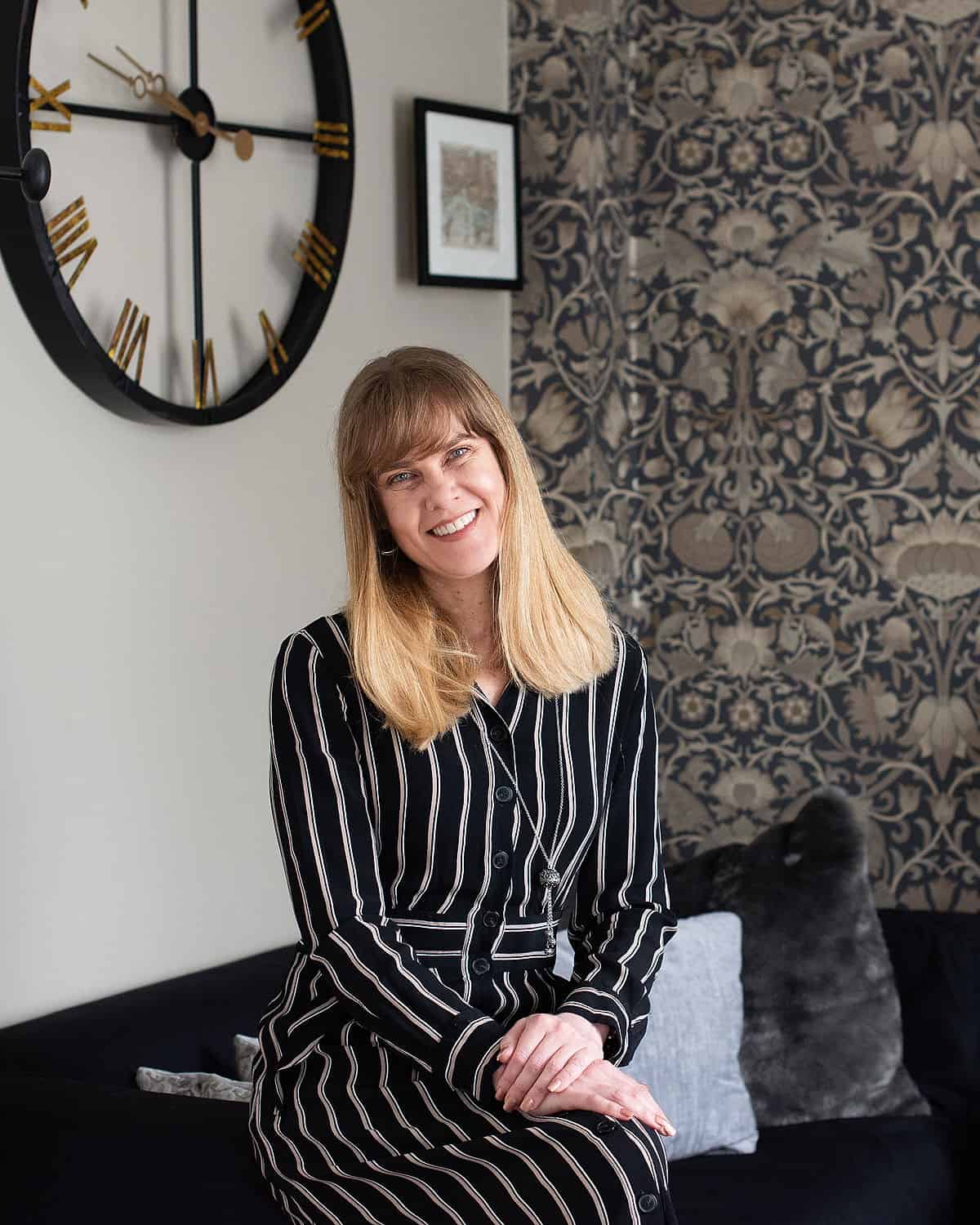
About Me
I am South-African born and have been living in London for the previous 21 years. On relocating myself in the UK, I set about establishing dual career paths. Before dedicating my career to psychotherapy and psychology, I also worked in pressurised high-profile environments in the not-for-profit sector. The blend of my two cultural and professional backgrounds helps me bring a grounded and practical stance to what might seem like lofty and inaccessible psychological ideas. Others tell me that I’m very approachable and down-to-earth. I pride myself on having a curious and open mind.
Bio
-
Doctorate in Counselling Psychology and Psychotherapy – Middlesex University
-
Diploma in Integrative Psychotherapy – Metanoia Institute / UKCP accredited course
-
Graduation Diploma in Psychology – University of East London
-
NCFE in Person-Centred Counselling – BACP accredited course
-
Bachelor of Arts: Psychology and Communications –Communications – University of South Africa
My Credentials
-
HCPC registered: The title “Counselling Psychologist” can only be used by those registered with the Health and Care Professions Council (HCPC), an independent regulator set up by the Health and Social Work Professions Order 2001. The HCPC only registers people who meet the standards it sets for training, professional skills, behaviour and health.
-
Chartered Psychologist: Chartered psychologist status with the British Psychological Society (BPS) reflects the highest standard of psychological knowledge and expertise. Chartered Psychologist status is the BPS gold standard, demonstrating a commitment to professional development and high ethical standards of practice, teaching and research. Chartered psychologists are entitled to use the designation ‘CPsychol’.
-
UKCP registered: The United Kingdom Council for Psychotherapists (UKCP) holds national registers of psychotherapists, listing those practitioners who meet exacting standards and training requirements. This includes meeting established standards of professional practice as well as abiding by the UKCP’s Code of Ethics and requirements for continued professional development.
-
BACP Register of Counsellors and Psychotherapists: The British Association for Counselling and Psychotherapy register is assessed and accredited under a scheme set up by the Department of Health. It is administered by an independent body, accountable to Parliament, the Professional Standards Authority for Health and Social Care (the Authority).
Continued Development (CPD)
I am committed to continuing professional development (CPD). This means that I am always updating my skills and keeping abreast of new knowledge by attending regular training modules, conferences and workshops. Below is a selection of my ongoing professional training:
- Emotion Focused Therapy (EFT) Level 1 – Professor Les Greenberg
- Internal Family Systems (IFS) Level 1 – IFS Institute UK
-
ACT (Acceptance & Commitment Therapy) foundation & intermediate training – Present Mind / TIR
-
Mindfulness-based cognitive therapy specialist training – Bangor University
-
Mindfulness Teacher Training – Bangor University
-
Teaching mindfulness in the workplace – The Mindfulness Exchange
-
Introduction to Mindfulness Based Stress Reduction, MBSR – Michael Chaskalson
-
Modules 1 to 5 towards Practitioner Certificate in Couples Work – Metanoia
-
Introduction to Somatic Experiencing – SOS Internationale
-
Eye Movement Desensitisation & Reprocessing (EMDR) levels 1 to 3 – Sandi Richman
-
Focusing Oriented Therapy introduction – Terapia Consultancy
-
Certificate in Focusing Skills – The British Focusing Teachers’ Association
I am recognised by these leading organisations
BPS
Registration: 182895
Chartered psychologist status with the British Psychological Society (BPS) reflects the highest standard of psychological knowledge and expertise. Chartered Psychologist status is the BPS gold standard, demonstrating a commitment to professional development and high ethical standards of practice, teaching and research. Chartered psychologists are entitled to use the designation ‘CPsychol’.
HCPC
Registration: PYL29559
The title “Counselling Psychologist” can only be used by those registered with the Health and Care Professions Council (HCPC), an independent regulator set up by the Health and Social Work Professions Order 2001. The HCPC only registers people who meet the standards it sets for training, professional skills, behaviour and health.

Register of Counsellors & Psychotherapists
Registration: 47932
The British Association for Counselling and Psychotherapy register is assessed and accredited under a scheme set up by the Department of Health. It is administered by an independent body, accountable to Parliament, the Professional Standards Authority for Health and Social Care (the Authority).
BACP
Registration: 47932
As the largest professional body representing counselling and psychotherapy in the UK, the BACP increases public understanding of counselling and psychotherapy, raises awareness and promotes education and/or training for counsellors and psychotherapists.
UKCP
Registration: 2011162159
The United Kingdom Council for Psychotherapists (UKCP) holds the national register of psychotherapists, listing those practitioners who meet exacting standards and training requirements. This includes meeting established standards of professional practice as well as abiding by the UKCP’s Code of Ethics and requirements for continued professional development.
CANARY WHARF SPECIFIC EXPERIENCE
Number of therapy hours
I have been working in Canary Wharf for about ten years. I am familiar with the culturally diverse and transient population. And I see clients in the financial sector as well as from the wider Tower Hamlets community.
My Psychology News & Views
Below are some of my interviews in the media on psychology, psychotherapy and how to apply what research is telling us to live a more fulfilled life:
BBC News Online, Season Affective disorder: Link
United Kingdom Council for Psychotherapists (UKCP), World Mental Health Day: Link
Financial Management (CIMA), Mindfulness in the workplace: PDF
Psychologies Magazine, When parents become vulnerable: PDF
The Guardian, Advice on managing a difficult relationship with a father: Link
The Sun, Fabulous Magazine, coping with women in your man’s life: PDF
The Guardian, advice on a family inheritance feud: Link
Sky, Different Kind of Woman, difficulties with mother-in-laws. Starts 13:50: Link
International Business Times, comment on suicide in the City: Link
Psychologies Magazine, standing up for yourself: PDF
Sunday Express S Magazine, giving your relationship an MOT: PDF & PDF
Emerald Street (Stylist online), tips on keeping New Year’s resolutions for longer: PDF
The Guardian Online, quote in agony aunt column about interfering inlaws: Link
Psychologies Magazine, developing patience: PDF
Psychologies Magazine, taking compliments: PDF
Womans Own Magazine, relationship difficulties at Christmas: PDF
Optima Magazine, Shelf help – a discussion on self help books: Link
The Guardian Newspaper, a student’s family dilemma: PDF
Healthy Magazine, grieving for a parent: PDF
The Guardian Online, advice to a student in ‘Problem Solved’: Link
Netdoctor, participation in an expert debate with Dr Thomas Suttaford OBE on parenting: Link
Business Works, guest article in managing stress over Christmas: Link
Mother and Child Magazine blog, how to beat the baby blues: Link
Accounting Web, guest article on stress awareness – tips to help you cope: Link
St John Street, quote on seasonal affective disorder (SAD): Link
Wahanda Blog, how to turn Christmas season of stress to tradition of peace: PDF
Mother and Child Magazine blog, how to make the most of baby’s first Christmas: Link
Candis Magazine, debate on what the secret is to a lasting relationship: PDF
Get in Touch!
07940 516806
sherylin@psychologist.city
What will the initial therapy session be like?
Going to therapy for the first time can feel daunting. You might be afraid of what suppressed emotions will surface and worry that you will be pushed to say more than you want to. You might also hope that talking to someone brings relief, especially if you have been holding on to difficult feelings for a long time. Perhaps you are wondering how a 'stranger' might help or maybe you feel disloyal that you are not sharing information with those closest to you. It is not unusual for clients to at first feel undecided whether therapy is really for them or not.
Before you start therapy, we will be clear on what you hope to get out of it. The success of therapy very much depends on the honesty and safety of the therapeutic relationship. This will support you in gradually extending and stretching outside your current understandings, as well as to probe and focus within yourself. I will help you do this by reflecting what I notice, asking you more about your experience and offering a non-judgemental space where you can really come to know yourself more deeply. This knowledge will help you see more clearly obstacles, which you yourself or others may be putting up, so that you can step around problems more easily.
How you see the world and your difficulties will be the starting point. As you become more honest, and so more attuned with yourself, a broader array of possibilities becomes more visible. This means that we first need to deeply understand where you are at now. This clarity brings wisdom to know how to live more fully, openly and with a deeper purpose and sense of yourself.
What are your qualifications & credentials?
The following list outlines my formal education, professional qualifications and accrediting organisation recognition:
-
Doctorate in Counselling Psychology and Psychotherapy – Middlesex University
-
Diploma in Integrative Psychotherapy – Metanoia Institute / UKCP accredited course
-
Graduation Diploma in Psychology – University of East London
-
NCFE in Person-Centred Counselling - BACP accredited course
-
Bachelor of Arts: Psychology and Communications –Communications – University of South Africa
-
Member of the EMDR (Eye Movement Desensitisation and Reprocessing) Association
-
HCPC registered: The title “Counselling Psychologist” can only be used by those registered with the Health and Care Professions Council (HCPC), an independent regulator set up by the Health and Social Work Professions Order 2001. The HCPC only registers people who meet the standards it sets for training, professional skills, behaviour and health.
-
Chartered Psychologist: Chartered psychologist status with the British Psychological Society (BPS) reflects the highest standard of psychological knowledge and expertise. Chartered Psychologist status is the BPS gold standard, demonstrating a commitment to professional development and high ethical standards of practice, teaching and research. Chartered psychologists are entitled to use the designation 'CPsychol'.
-
UKCP registered: The United Kingdom Council for Psychotherapists (UKCP) holds national registers of psychotherapists, listing those practitioners who meet exacting standards and training requirements. This includes meeting established standards of professional practice as well as abiding by the UKCP's Code of Ethics and requirements for continued professional development.
-
BACP Register of Counsellors and Psychotherapists (formerly known as UKRCP): The British Association for Counselling and Psychotherapy register is assessed and accredited under a scheme set up by the Department of Health. It is administered by an independent body, accountable to Parliament, the Professional Standards Authority for Health and Social Care (the Authority).
In addition, I am committed to continuing professional development (CPD). This means that I am always updating my skills and keeping abreast of new knowledge by attending regular training modules, conferences and workshops. Below is a selection of my ongoing professional training:
-
ACT (Acceptance & Commitment Therapy) foundation & intermediate training - Present Mind / TIR
-
Mindfulness-based cognitive therapy specialist training - Bangor University
-
Mindfulness Teacher Training - Bangor University
-
Teaching mindfulness in the workplace - The Mindfulness Exchange
-
Introduction to Mindfulness Based Stress Reduction, MBSR - Michael Chaskalson
-
Modules 1 to 5 towards Practitioner Certificate in Couples Work - Metanoia
-
Introduction to Somatic Experiencing - SOS Internationale
-
Eye Movement Desensitisation & Reprocessing (EMDR) levels 1 to 3 - Sandi Richman
-
Focusing Oriented Therapy introduction - Terapia Consultancy
-
Certificate in Focusing Skills - The British Focusing Teachers’ Association
What kind of problems can you help me with?
I work generally with adults facing common human difficulties. We all go through rocky periods in our lives and therapy can help you smooth a way forward. Some examples of how therapy can help you move through difficulties include:
-
Understanding what might be causing problems and repetitive patterns.
-
Clarifying what direction you want to take in your life.
-
Exploring problems with intimate relationships or family members.
-
Exploring difficulties in relating to and accempting yourself
-
Managing emotions and thoughts more effectively
In particular, I have worked extensively with bereavement, domestic violence, trauma and adult survivors of childhood adversity. My doctoral thesis was on emotions in adult survivors of childhood abuse and I have worked in a hospice service for bereaved families and an agency for women in violent relationships. I am trained in EMDR (eye-movement desensitisation and reprocessing) a government-recommended treatment for trauma. I have also had specific training in working with couples.
In addition, over the duration of my career I have helped clients work through issues including (although not exhaustive):
-
Abortion
-
Abuse
-
Anger management
-
Anxiety (including generalised anxiety disorder (GAD), Panic, Phobias)
-
Bereavement (including complex, traumatic and delayed grief)
-
Bullying
-
Cancer
-
Carer support
-
Chronic fatigue syndrome/ME
-
Chronic pain
-
Couples issues
-
Depression (including postnatal depression, seasonal affective disorder (SAD) and suicidal thoughts)
-
Disabilities
-
Domestic violence
-
Eating disorders (including binge eating and bulimia)
-
Infertility
-
Low self-confidence and esteem
-
Miscarriage
-
Obsessive compulsive disorder (OCD)
-
Parenting
-
Post-traumatic stress disorder (PTSD)
-
Pregnancy and birth
-
Relationship issues (including couples in cross cultural relationships, family issues including in-laws, domestic violence, pre-nuptial counselling, separation and divorce, affairs and betrayals)
-
Self-harm
-
Sexuality
-
Spirituality
-
Stress
-
Terminal illness
-
Trauma
-
Work-related stress (including perfectionism, redundancy, harassment and bullying)
What is the difference between counselling, psychotherapy and counselling psychology?
I am a chartered counselling psychologist and psychotherapist. Very often, those seeking a talking therapy do not know exactly what these titles mean and what the difference is between them and between that of counsellor.
It can be confusing to determine which profession is most likely to have the level and focus of training that best suits you. Understanding the difference between the titles of counsellor, psychotherapist and counselling psychologist might help you make a more informed decision.
The government now protects only some talking therapy titles so that the public can be confident that the professional has completed a specific training to a certain standard and abides by regulated ethical criteria. 'Counselling psychologist' is one of these titles ensuring a consistent level of training amongst those using the title. You can find the list of statutory protected titles here. The titles of ‘counsellor’ and ‘psychotherapist’ are not protected by law meaning that anyone can legally call themselves these titles regardless of training or not. However, counsellors and psychotherapists usually follow voluntary guidance set by self-regulatory bodies such as the British Association for Counselling & Psychotherapy (BACP) and the United Kingdom Council for Psychotherapists (UKCP).
With regards to training, it is necessary for those becoming chartered psychologists to have an undergraduate degree in psychology before pursuing further specialist study. Chartered counselling psychologists are expected to do at least a 3-year (full-time) or 5-year (part-time) post-graduate course including research modules. Since 'counsellor' and 'psychotherapist' titles are not protected, there are no legal minimal set training criteria for these professions. Typically, reputable counselling courses are 3-years part-time and psychotherapy courses 5-years part-time; although neither have any requirements for previous further or higher education. If extent of learning is important to you, it is fine for you to ask before starting any therapy with anyone.
Because there is variation in the length of study, the depth and breadth of therapy offered also differs. Roughly, the profession-specific demarcations of emphasis of therapy are as follows: The focus of counselling is usually on immediate difficulties and helping the client find a way forward drawing on the client’s current understandings and abilities. Psychotherapists include these skills but also have additional training to encourage a client to look more in-depth at childhood and background. This helps the client identify repetitive patterns and unconscious processes replaying recurring themes over time. Counselling psychologists include and expand on all of these areas of focus to place what clients bring in the wider context of research and the academic literature.
Counsellors, psychotherapists and psychologists also have many skills and core knowledge in common. All three are trained to allow you to explore your experience more deeply in the attentive and empathic space of therapy. Therapy is not as effective if you do not feel confident to slowly open up to what you find difficult or perhaps even shameful. So, the most important thing is that you trust your therapist and can form a good relationship with him or her. There is some research showing that choosing the right person for you is more important than deciding on which profession is best.
What type of therapy do you practice?
There are many types of therapy or schools of psychological thought. They fall, more or less, into one of three main categories: Cognitive behavioural, psychodynamic or humanistic. Each therapy has a set of theories on the human mind and how a person can overcome difficulties. A therapist or psychologist will work with you based on the theories he or she has studied and practiced.
I am ‘integrative’ in approach. This means that I am trained to start with the problem the client brings rather than sticking strictly to just one approach. Integrative modalities draw on what is in common between many of the different theories. It puts the client and the client’s concerns at the centre and pulls in understandings and insights from a variety of sources. I use a wide range of both traditional and modern psychological techniques to be able to tailor my approach to suit my clients' needs. This means that my approach to working with you will be as unique as you are.
Who can I call in an emergency?
If you are in immediate crisis, acute distress and might need urgent help to keep you safe - please contact one of the relevant organisations below and they will talk you through some steps you might need to take right away.
NHS
A mental health emergency should be taken as seriously as a medical emergency. Call 999 if you or someone else experiences an acute mental health emergency. You can also go to A&E if you are worried about your safety or that of someone else. You can call NHS 111 if you or someone you know needs urgent care, but it's not life threatening.
Emotional support / crisis
Samaritans (UK & Ireland):
www.samaritans.org.uk
116 123
Breathing Space (Scotland):
www.breathingspacescotland.co.uk
0800 83 85 87
C.A.L.L. Mental Health Helpline (Wales):
www.callhelpline.org.uk
0800 132 737
Mental Health
Sane UK:
www.sane.org.uk
0845 767 8000
Mind:
www.mind.org.uk
0300 123 3393
Mental Health Foundation:
www.mentalhealth.org.uk
Adult Survivors of Childhood Abuse
NAPAC (National Association of Adults Abused in Childhood)
www.napac.org.uk
0800 085 3330 / 0808 801 0331
Support Line
www.supportline.org.uk
01708 765 200
Sexual assault / rape
Rape & Sexual Abuse Support Centre (women & men):
www.rasac.org.uk
08451 221331
Survivors UK (for men):
www.survivorsuk.org
0845 122 1201
Rape Crisis (men and women):
www.rapecrisis.org.uk
0808 802 9999
Domestic violence
Refuge:
www.refuge.org.uk
0808 200 0247
Welsh Women's Aid:
www.welshwomensaid.org
0808 801 0800
Northern Ireland Domestic Violence Helpline:
www.wiwaf.org
0808 200 0247
Children & young people
ChildLine:
www.childline.org.uk
0800 1111
Kooth:
www.kooth.com
What is the best platform for online counselling?
- Zoom: This is free for one to one video meetings and can be downloaded at: https://zoom.us/download
- Signal: This is a fantastic app for android and iOS phones. It is very easy to download and use and offers secure free voice calls as well as video meetings. https://signal.org/download/
- Skype is a popular option but not recommended as a longer-term therapy platform as it is not as secure as the above two options. If you would prefer to use Skype, please take some time to read this advice from Get Safe Online: https://www.getsafeonline.org/protecting-your-computer/skype-internet-calls/
- I can work with FaceTime, phone or whatever medium you are most comfortable with. Whatever you choose, you can also get some general advice on online security at: https://www.getsafeonline.org/
How do I ‘arrive’ for my online session?
Please let me know ahead of your session which platform you would prefer to use. I will then be ready for you to ‘arrive’ at your session time. Please dial into me at the start of your session. If you have trouble connecting, please call me on 07940 516 806 or email me at sherylin@psychologist.city. If I don’t hear from you a few minutes into your session, I will attempt to reach you.